ECTOTECTURE
04 · 02 · 2022
04 · 02 · 2022
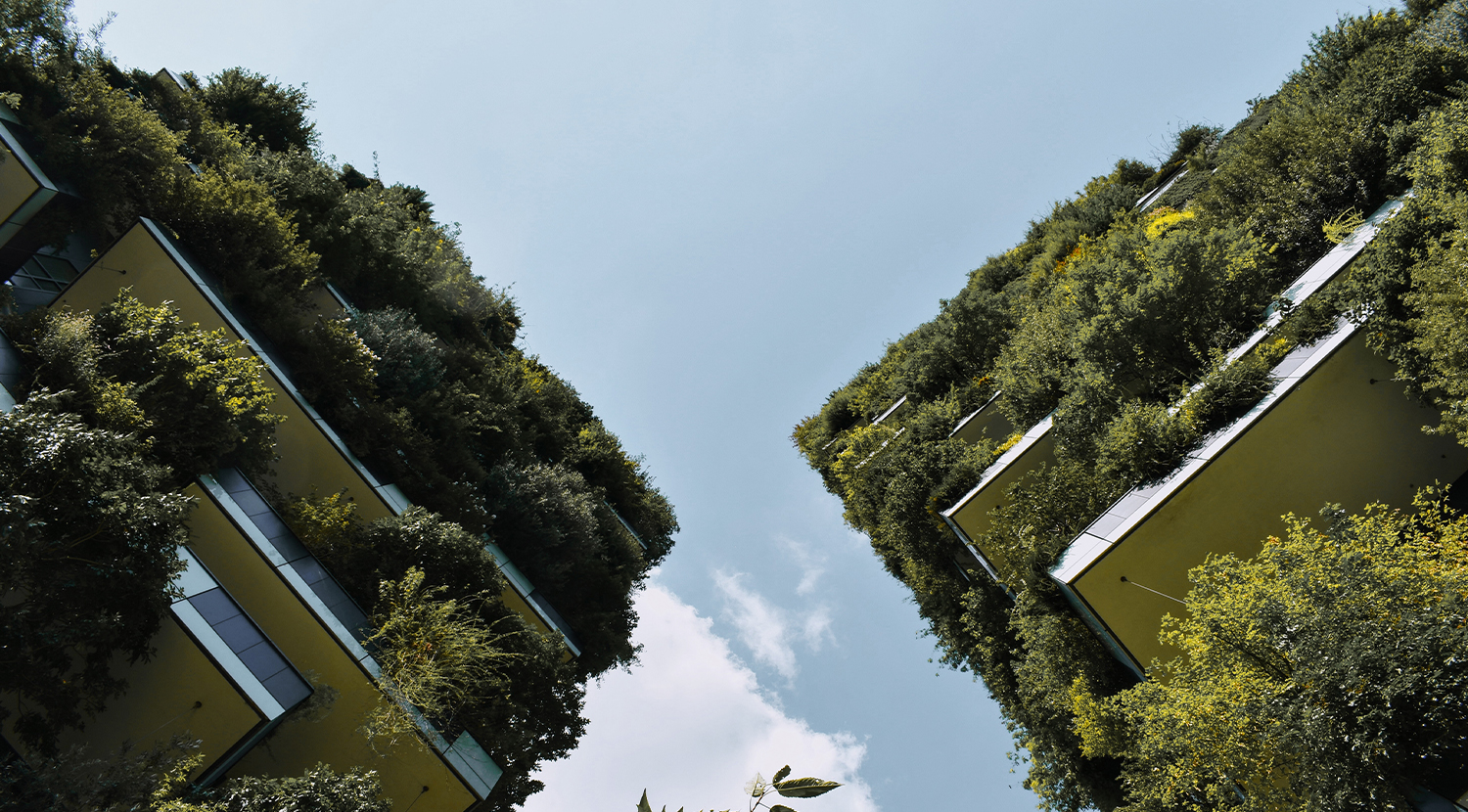
One important trend and, indeed, challenge for the world of architecture is the achievement of buildings that combine a harmonious blend of aesthetics and functionality with a global commitment to environmental protection. This is called eco-building.
To know whether a building can be qualified as such, checks must be made to find out whether it is energy efficient through the use of materials and solutions of natural origins.
In conventional buildings, priority tends to be given to their usefulness, economy, durability and comfort. The same applies to an eco-building, although it also lends equal attention to environmental sustainability, health conditions and efficiency.
The eco-building movement is based on the following principles:
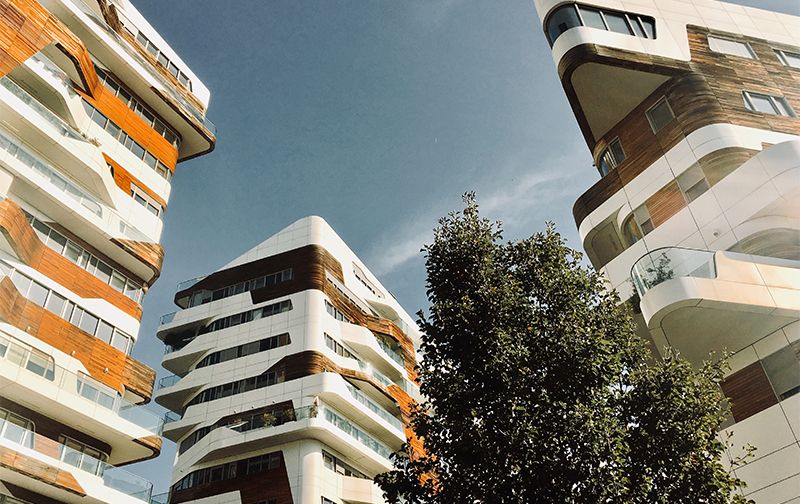
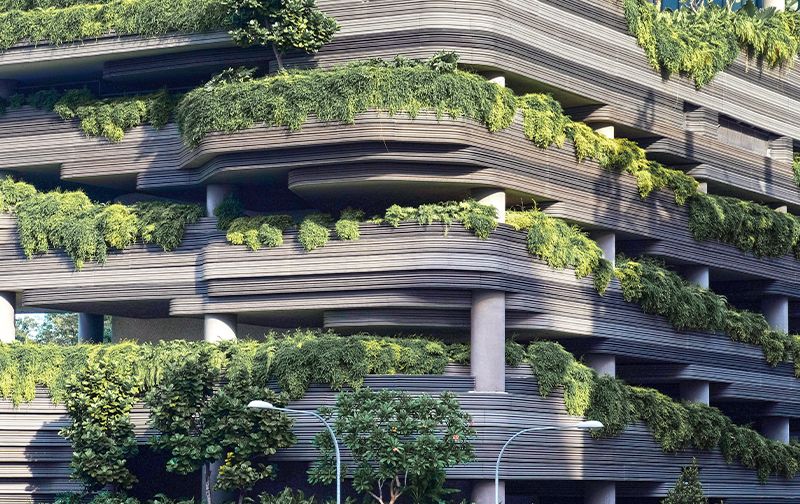
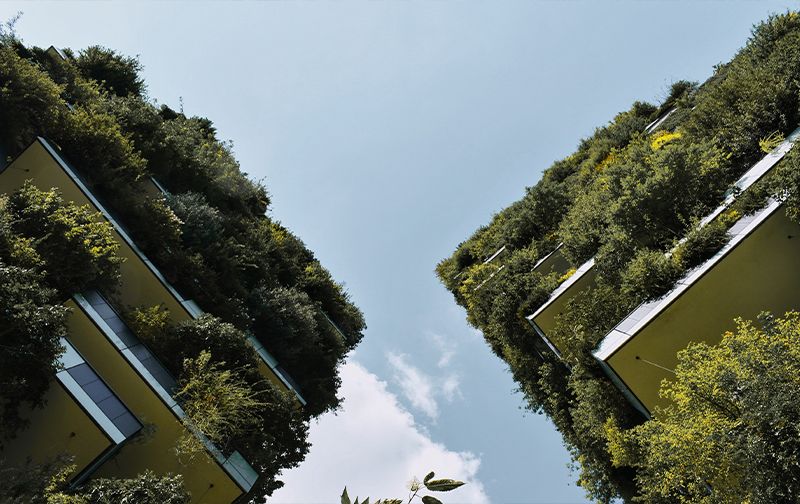
Here at Inalco, environmental care has always been a key value in our products and processes. This is illustrated by our contribution to the achievement of green architecture, because the whole Mdi range is manufactured with top-quality natural minerals in eco-friendly processes that include the recycling and re-use of most waste, a reduction in water and energy consumption, minimized gas and dust emissions into the atmosphere, and the use of H2O Full Digital technology, which uses water instead of solvents as a base in our inks and glazes.
On top of all this, Mdi is a hygienic, non-toxic material since it does not release substances of any kind once fitted.
Thanks to Inalco’s manufacturing system, based on the on-site reduction, re-use and recycling of waste, LEED points can be obtained under the LEED v4 low emission credit with any of its products.
Given the key role of the materials that are used in sustainable architecture, Mdi is a perfect tool in green design, since through its use, a building’s global environmental impact can be reduced without relinquishing the aesthetic and functional qualities of an innovative natural surface like this.
For full information about our environmental policy, see www.inalco.global.