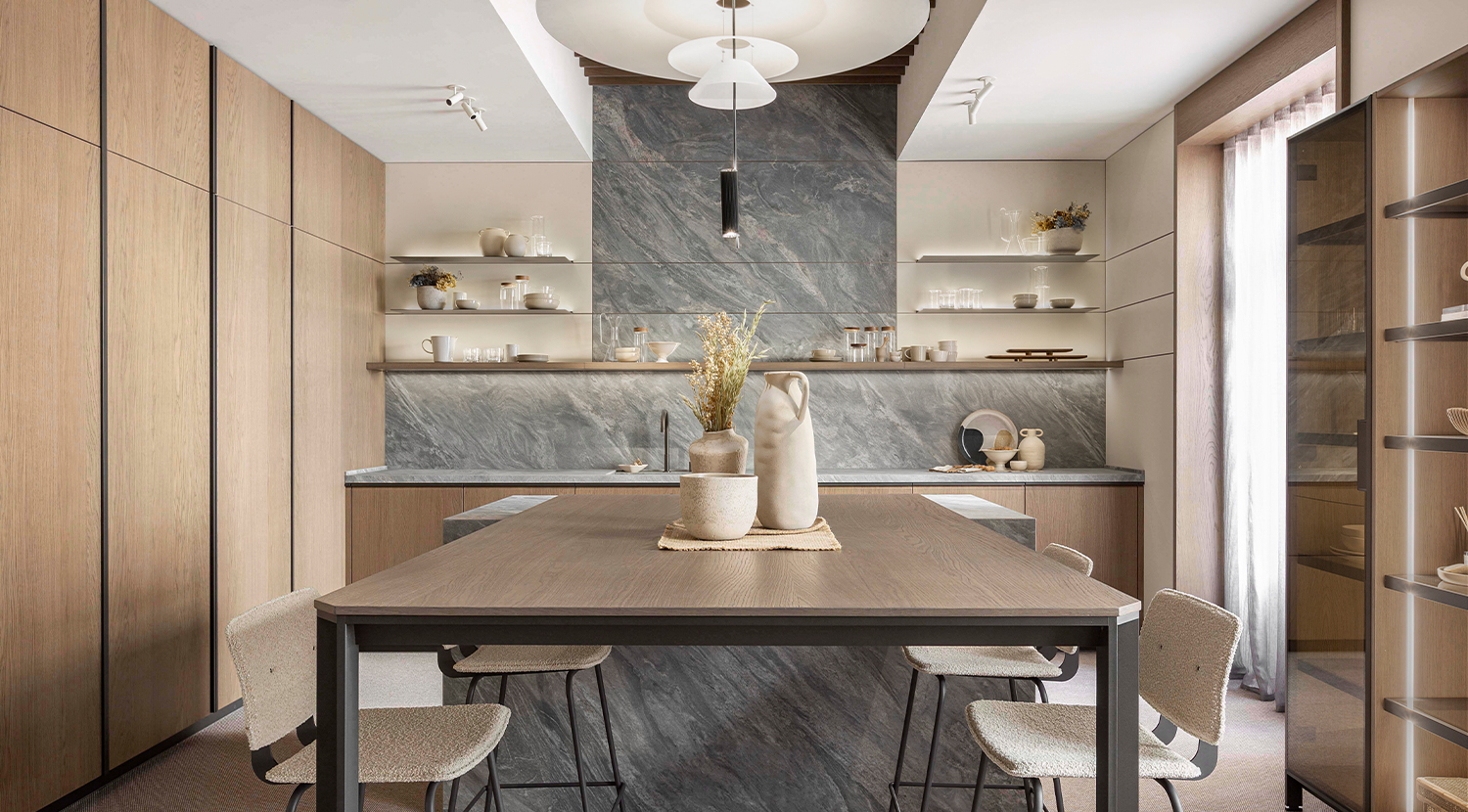
Neuroarchitecture or how to build in order to improve life
25 · 03 · 2022
25 · 03 · 2022
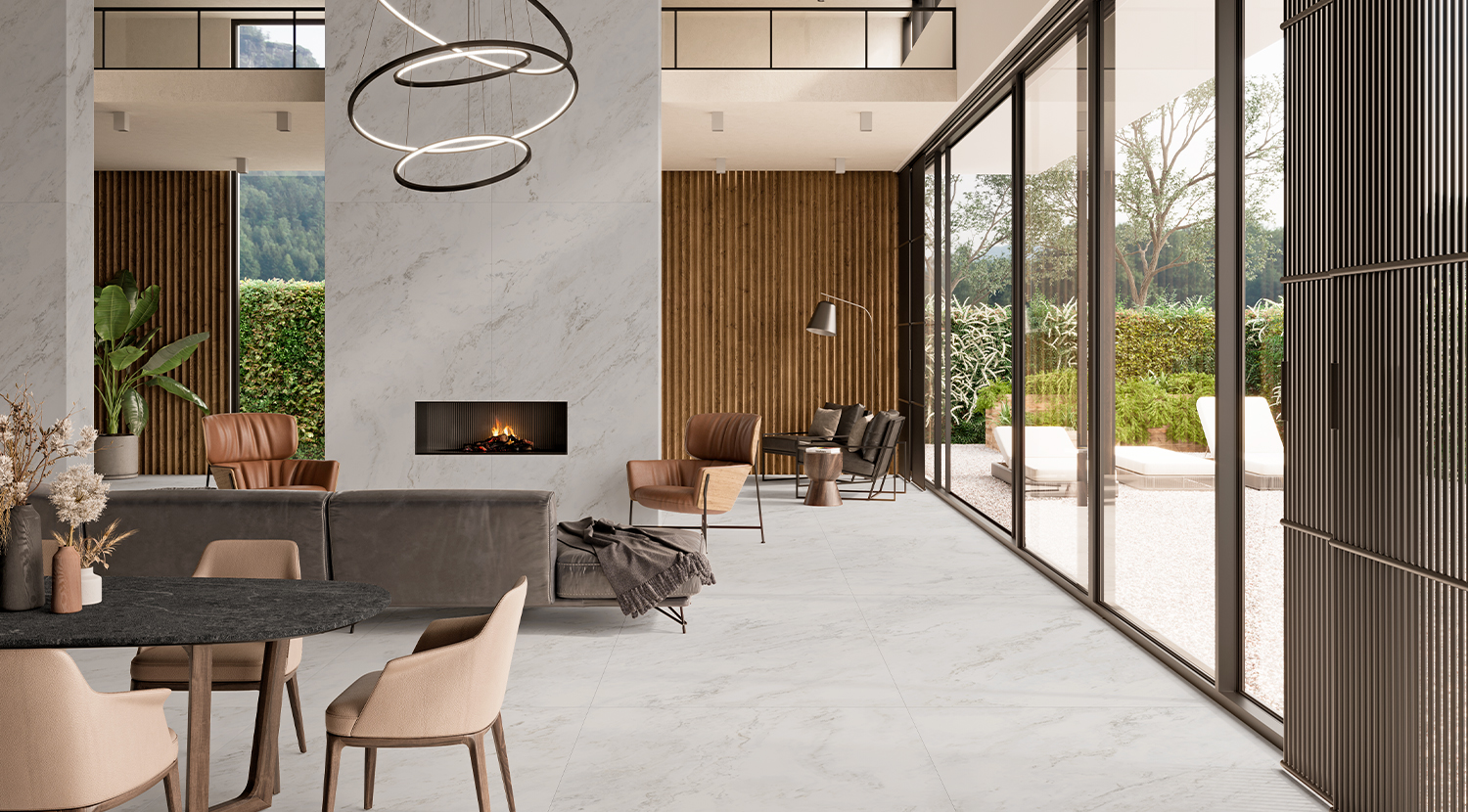
With the passing of the years, a series of changes takes place that impacts on all walks of life, including architecture. As the latter gradually evolves, it leads to the development of new concepts, such as neuroarchitecture or, put another way, the science that helps us to build better in order to improve life.
Neuroarchitecture is, by definition, a field of architecture that uses scientific data and evidence as a basis to analyse how built spaces modify our emotions and our capabilities. Its main aim is none other than to contribute to the construction of spaces that boost people’s productivity and wellbeing.
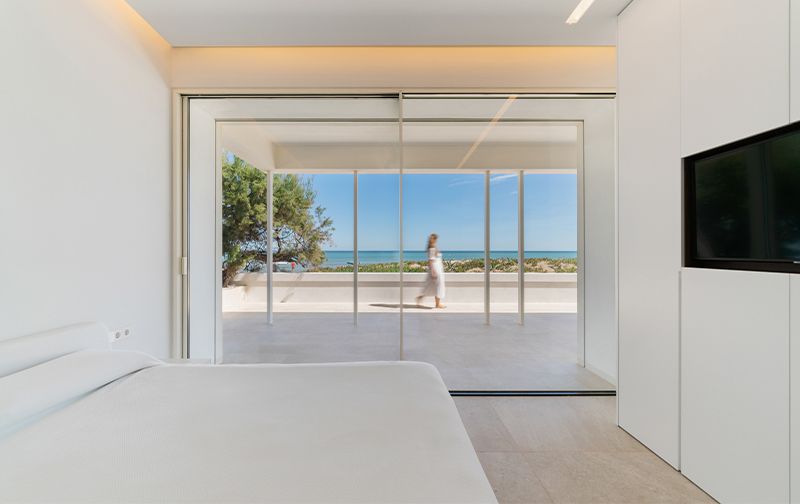

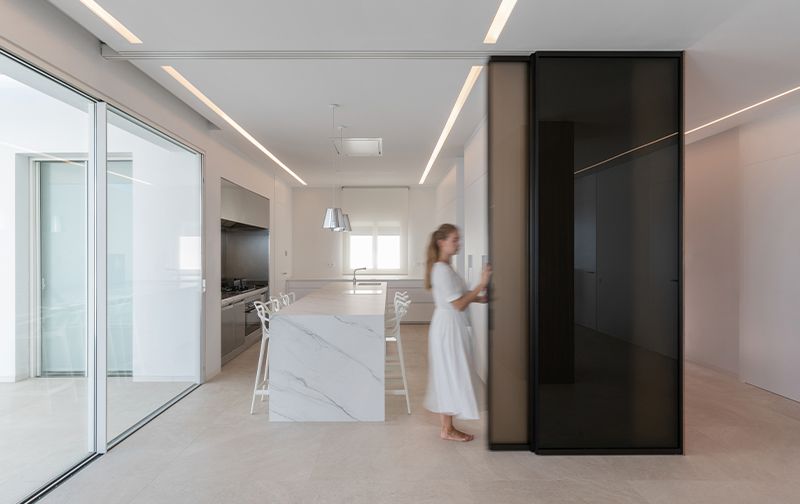
Neuroarchitecture seeks to make new headway by relating sensations to measurable data in order to gain an insight into how our background setting influences our feelings, always from a scientific perspective.
This is why neuroarchitecture has attracted growing numbers of enthusiasts and it is very popular among professionals from the building sector. It deals with a real need and a demand by today’s increasingly nonconformist society, who not only wants pretty, clean spaces but ones that transmit a sense of calm, restfulness and contentment.
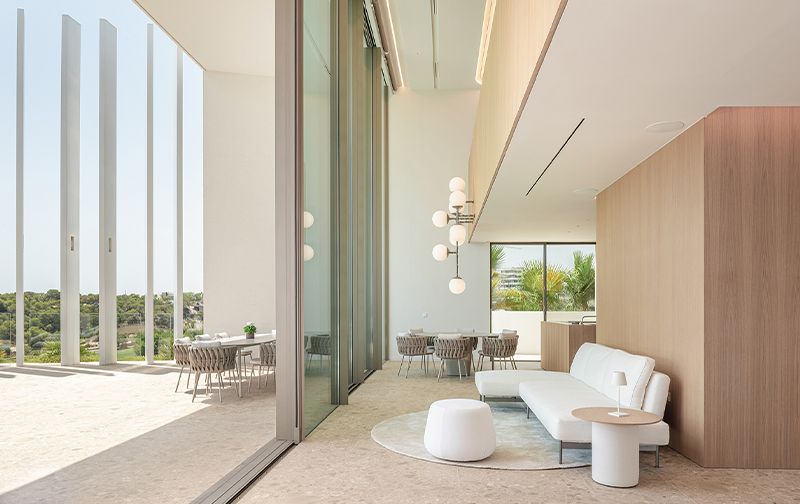
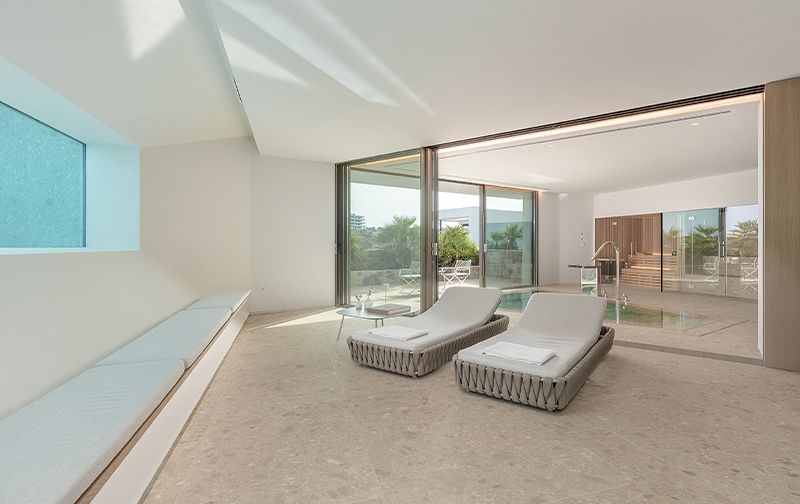
The keys to neuroarchitecture
In neuroarchitecture, a series of key factors must be taken into account in the design of all spaces in order to foster a harmonious, balanced mental state.


We do definitely know that our background setting has a big impact on our capacity to rest, on how we feel and on our productivity. Hence, in the future, when new housing and new spaces are built, we must do it well, from a scientific point of view, in such a way that they fit in with people’s needs.