That's how buildings will be in the future: smart and sustainable
24 · 02 · 2023
Los edificios del futuro (y algunos del presente) no podrán ser de otra forma que construidos con la innovación y sostenibilidad como puntos de partida.
24 · 02 · 2023
Los edificios del futuro (y algunos del presente) no podrán ser de otra forma que construidos con la innovación y sostenibilidad como puntos de partida.
Future buildings (and some of the present) will only be built with innovation and sustainability as their starting points.
Among the most anticipated architectural projects for 2023 are some of the trends that we have already mentioned in previous posts about what the homes of the future will be like. Both small-scale constructions and large buildings have their sights set on sustainability, functionality and technology.
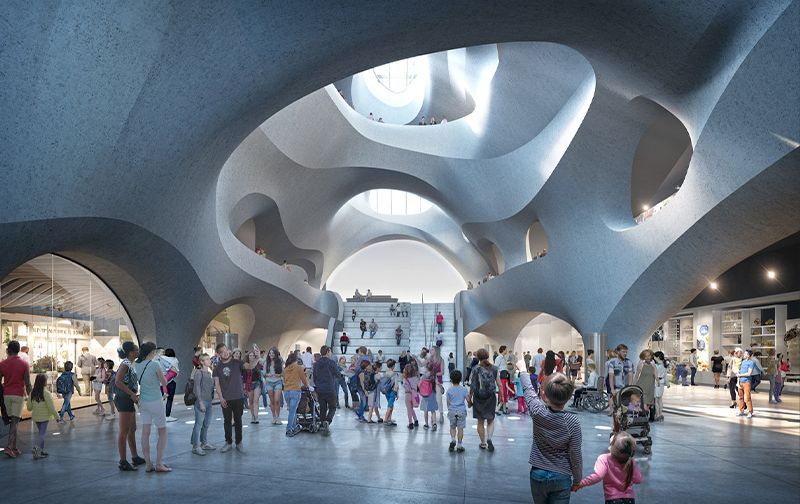
For instance, the new extension of the Museum of Natural History in New York, which is inspired by the Earth’s natural processes, improving the connections between the museum’s galleries and offering a more natural passage between spaces.
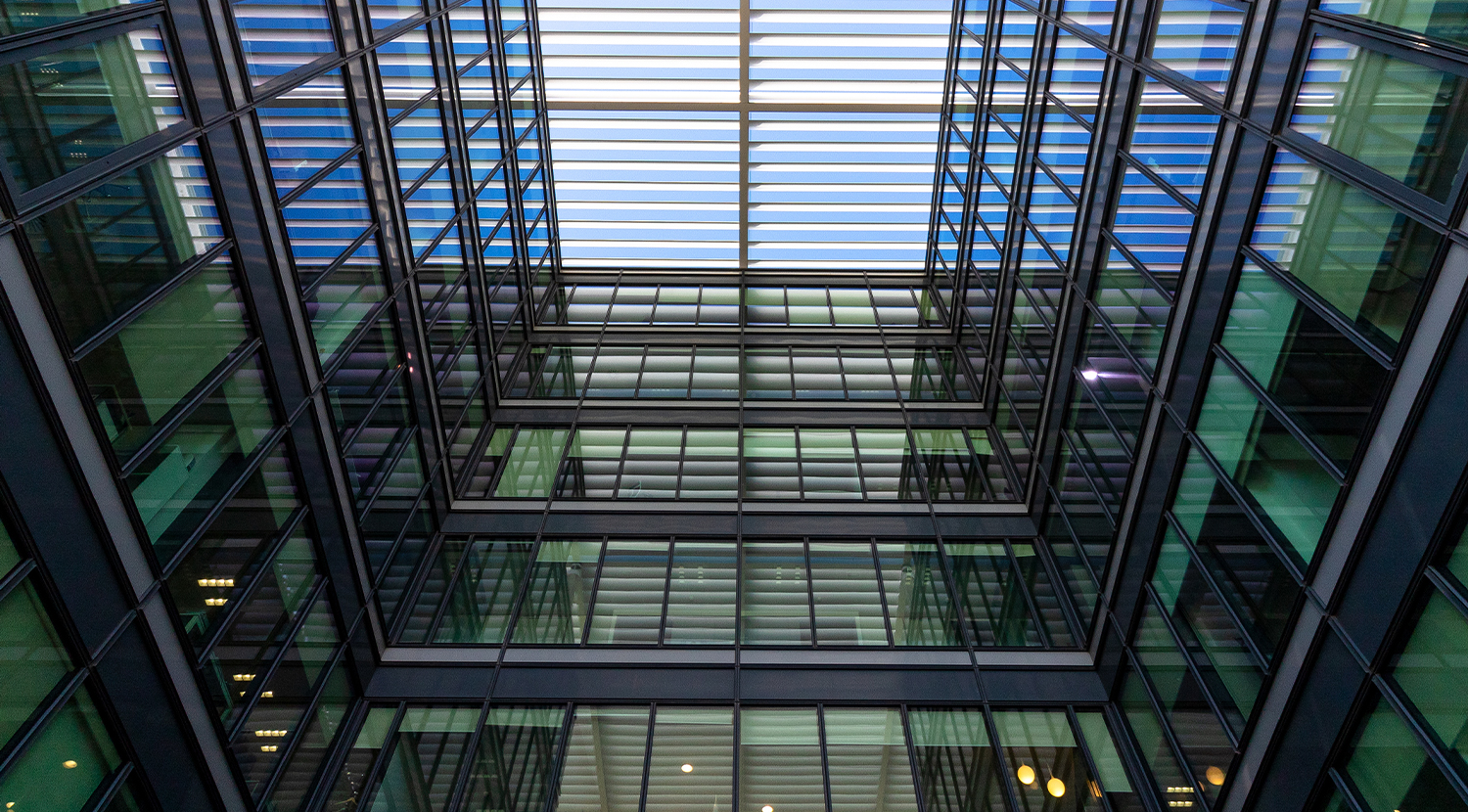
The key is in smart buildings: spaces that aim to increase energy efficiency, usability and safety. The main trend for the buildings of the future is the installation of intelligent systems to monitor and reduce environmental impact and the use of natural resources, such as natural light. In other words, sustainable buildings, from the materials used in their construction to their day-to-day operation with automation systems.
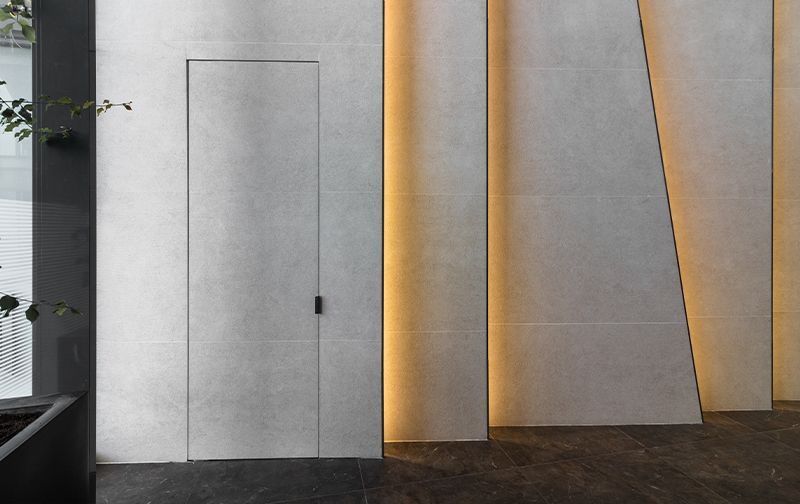
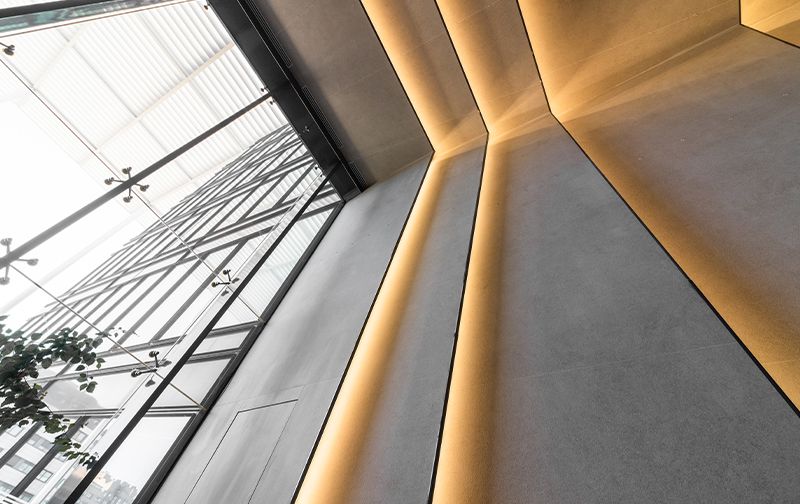
A clear example of this type of building is the Pórtico Building by Rafael de la Hoz and SOM Architects, designed with MDi, which is considered one of the most sustainable office buildings in Spain.
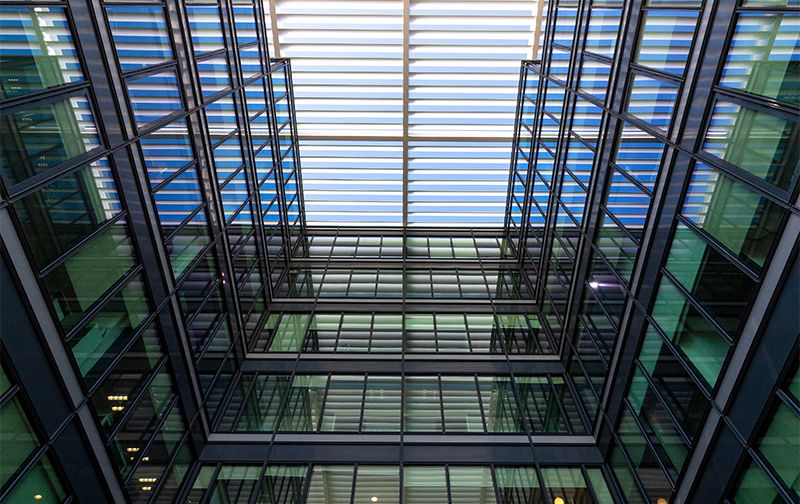
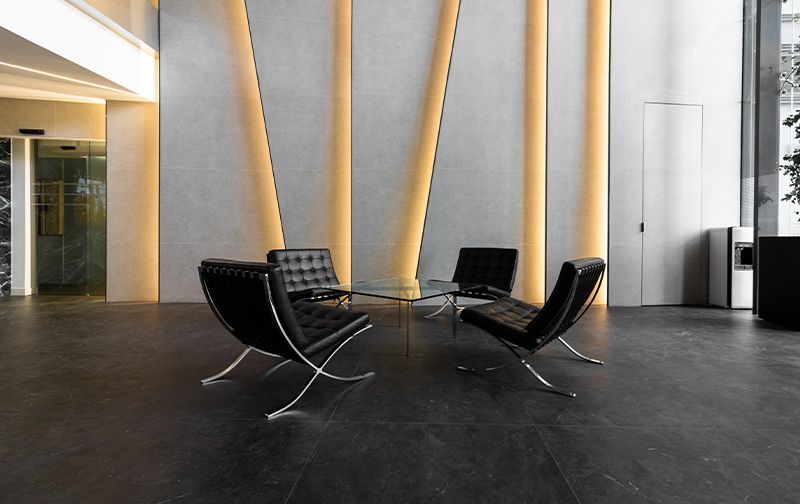
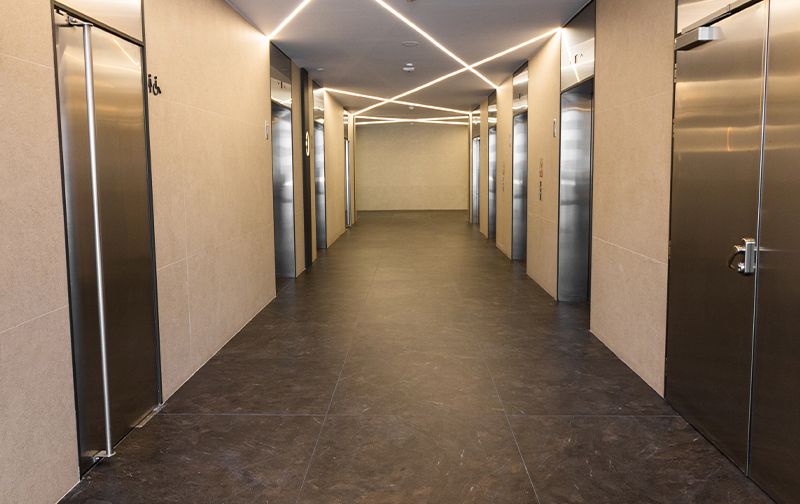
The previous point links perfectly with sustainable architecture (or ECOTECTURE), which is committed to greater efficiency in the consumption of energy and materials, open spaces and sustainable and environmentally friendly materials. The trends for the buildings of the future also include biophilic design, an innovative way of designing spaces that includes sustainable strategies: such as the use of natural light, natural materials and natural ventilation, the incorporation of plants and other natural elements both indoors and outdoors, etc. In other words, connecting with nature in any place in a way that respects the environment.
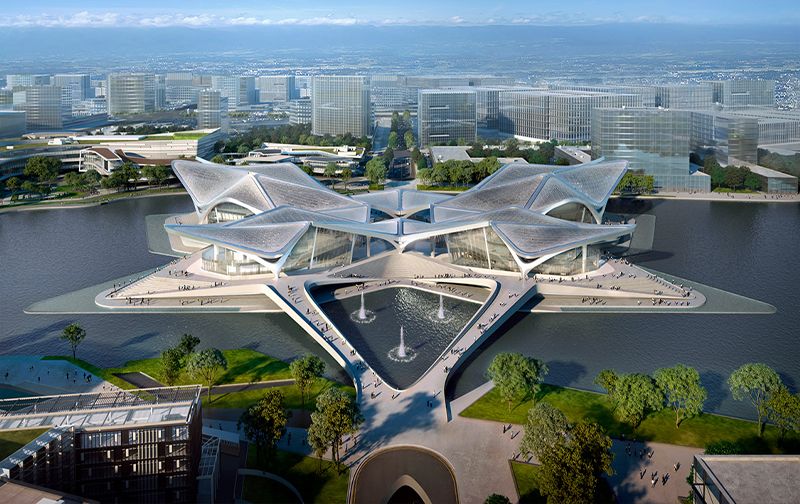
Another of the projects for 2023 that fits perfectly with the concept of sustainable and intelligent architecture is the Zhuhai Jinwan Civic Art Centre in China, a building that will become a centre for contemporary creativity, as it optimises natural light and regulates water consumption through intelligent systems, among others.
But how do you measure the sustainability of a building? There are several certifications, and one of the ways to prove that a building is sustainable is through the certification of LEED points. For example, the use of MDi as surfaces earns LEED points, as do all other sustainable materials and elements in the building.
Nowadays, the path of design thinking, usability and sustainability has become the one to acomplish one main objective: to build to last and respect.